All Categories
Featured
Table of Contents
A store near a college school might have really various demand patterns (a routine work on bagels and lox at 1 a.m.) than one in a city's financial district (where traders might show up for air at 11:30 a.m. for egg salad sandwiches). Other stock management elements that grocers must consider include optimum shipment times, packaging requirements, and safety stock levels.
Predictable events, such as greater need for salads and beverages throughout summer season months and more need for soups and spicy foods in the winter, are simpler to prepare for.
Inventory is one of the most important possessions for any company, and efficient stock management is especially important in the fast-paced world of e-commerce. You need to satisfy the demand for quick shipment by guaranteeing there's always enough stock to satisfy client orders, but without binding cash in excess stock.
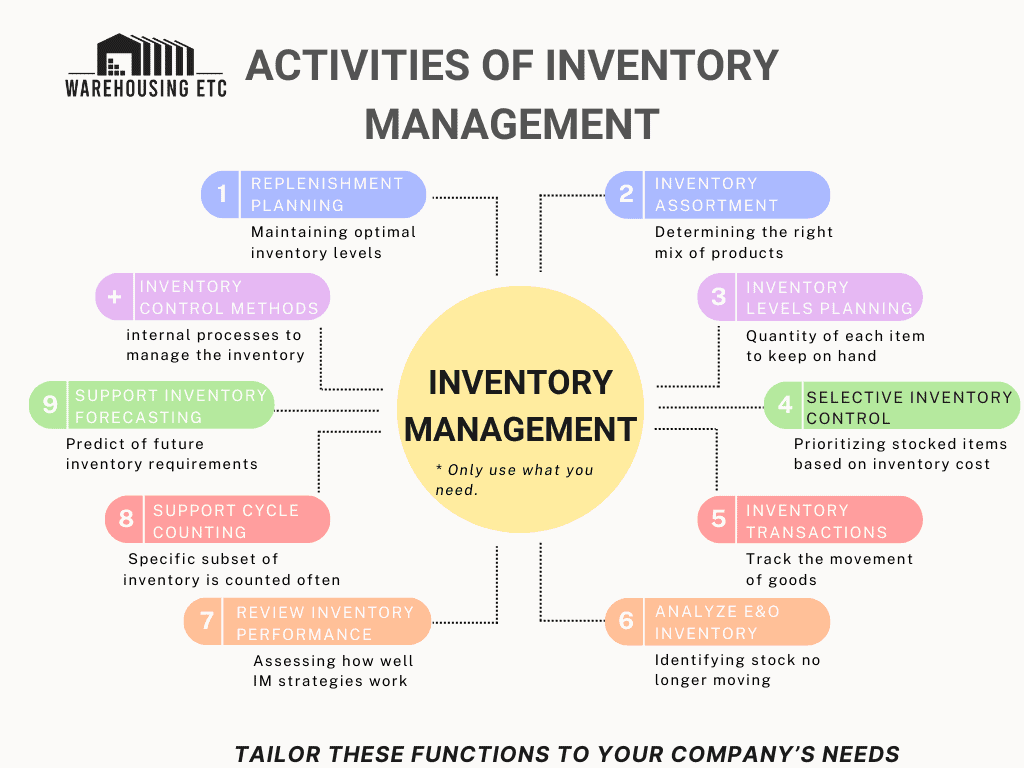
Stock can include basic materials, components, and ended up products prepared for sale. Stock management is the procedure of managing and monitoring this stock in the most effective method possible so that you constantly have the right quantity in the ideal place at the correct time. It's about knowing how much is needed and when to buy it, and keeping track of everything across several locations and sales channels.
Reducing Overhead via Efficient Team Scheduling
When buying new inventory for your warehouse, you need to intend to purchase the economic order amount (EOQ). With Brightpearl stock management, you can track inventory throughout its journey and make accurate forecasts to guarantee you satisfy future consumer demand. Technically, the meaning of stock management covers the duration in between stock showing up from a supplier and being shipped to a customerthat is, the time when it's in your warehouse or shop.
Let's clean up the meaning of inventory management and stock control. The terms are often utilized interchangeably, but inventory management has a much more comprehensive scope. Inventory control, order management, supply chain management, and warehouse management can all be covered by inventory management. Source: The process starts when you put an order with a supplier, although you might say it starts even earlier when you utilize forecasting to forecast the required order quantity.
Bigger facilities will have a particular receiving location where inventory products are checked and sorted before being put away. (stock-keeping system) code, which is gotten in into your stock management system.
Whether you're offering online or through a physical shop, your system ought to instantly update inventory levels whenever an item is bought (and if it's returned). All of these stages can be performed more effectively with a properly managed process circulation so that everyone knows what's supposed to take place and when.
Is Automation the Key to Lower Costs?Essential Accounting Practices for Modern Small Retail Growth
The techniques you utilize will vary according to various kinds of inventory, with some being more matched to certain businesses than others. Let's take a look at some of the main techniques of inventory management: ABC analysis works by dividing stock into three classifications based upon their value and quantity. The idea is to determine the products that matter most to your service.
Is Automation the Key to Lower Costs?Source: Product in classification A are high in value but low in quantity, while classification C items are low in value however high in amount. Category An items are more expensive but sell slowly, so you don't require so many on hand.
This method sees you strike a balance in between keeping the lowest possible stock levels and still having enough to fulfill need. Product are scheduled to show up from suppliers just when they're needed; "just in time" to fill consumer orders. You do not keep any safety stock on hand. JIT can be ideal for smaller businesses that desire to invest as low as possible in inventory and reduce overhead expenditures.
The dropshipping technique implies that items are shipped straight from supplier to consumer instead of being stored at your area in between. You don't require to handle your inventory at allyou simply offer the items by means of your site and pass consumer orders directly to the dropshipper. Smaller companies often prefer this technique because it eliminates the cost of warehousing.
The consignor keeps ownership of the stock until it's soldat which point, the consignee pays.

Latest Posts
How to Optimize Store Inventory Systems
Key Finance Tips for SME Stores
Linking Staff Productivity to Financial Success