All Categories
Featured
A shop near a college campus may have extremely various need patterns (a routine run on bagels and lox at 1 a.m.) than one in a city's monetary district (where traders may come up for air at 11:30 a.m. for egg salad sandwiches). Other stock management aspects that grocers need to consider include ideal delivery times, packaging requirements, and safety stock levels.
Foreseeable occasions, such as greater demand for salads and beverages throughout summer season and more demand for soups and spicy foods in the winter, are much easier to plan for.
Inventory is among the most crucial possessions for any business, and efficient inventory management is specifically important in the busy world of e-commerce. You need to satisfy the need for quick delivery by guaranteeing there's constantly enough stock to satisfy client orders, however without tying up money in excess inventory.
Inventory can consist of basic materials, elements, and finished goods ready for sale. Inventory management is the process of handling and monitoring this stock in the most efficient way possible so that you constantly have the right quantity in the right location at the ideal time. It has to do with understanding how much is required and when to purchase it, and keeping an eye on everything across several areas and sales channels.
Maximizing Staff Scheduling for Better ROI
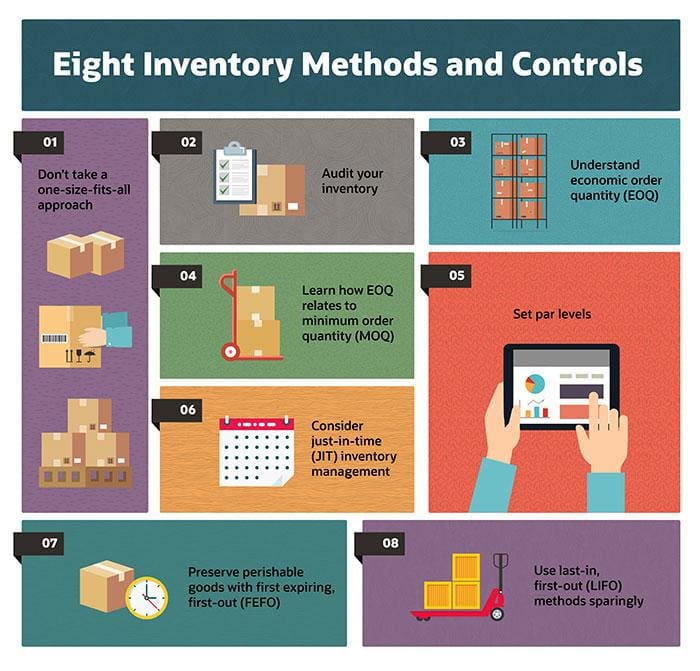
When ordering brand-new stock for your storage facility, you need to aim to purchase the financial order quantity (EOQ). With Brightpearl stock management, you can track stock throughout its journey and make accurate forecasts to ensure you fulfill future customer demand. Technically, the definition of stock management covers the duration in between stock getting here from a provider and being delivered to a customerthat is, the time when it remains in your warehouse or shop.
Let's clear up the significance of inventory management and stock control. The terms are often utilized interchangeably, but inventory management has a much more comprehensive scope. Inventory control, order management, supply chain management, and warehouse management can all be covered by stock management. Source: The process begins when you put an order with a supplier, although you might state it begins even earlier when you utilize forecasting to anticipate the required order quantity.
Bigger facilities will have a particular getting area where stock products are examined and sorted before being put away. (stock-keeping unit) code, which is entered into your stock management system.
Whether you're offering online or through a physical store, your system must instantly upgrade stock levels whenever an item is bought (and if it's returned). All of these stages can be performed more efficiently with a correctly managed procedure circulation so that everyone knows what's supposed to happen and when.
Streamlining Manual Processes Through Intelligent AutomationHow to Optimize Store Stock Levels
The techniques you utilize will vary according to various types of inventory, with some being more fit to specific businesses than others. Let's take a look at some of the primary techniques of stock management: ABC analysis works by dividing stock into 3 categories based on their worth and amount. The idea is to recognize the items that matter most to your service.
Streamlining Manual Processes Through Intelligent AutomationSource: Item in category A are high in value however low in amount, while category C products are low in value but high in quantity. Classification An items are more expensive but sell slowly, so you don't need so numerous on hand.
You do not keep any safety stock on hand. JIT can be perfect for smaller companies that want to invest as little as possible in stock and minimize overhead expenditures.
The dropshipping method indicates that items are shipped directly from provider to customer instead of being stored at your location in between. You don't require to manage your stock at allyou simply sell the items through your website and pass customer orders directly to the dropshipper. Smaller business frequently favor this technique because it eliminates the cost of warehousing.
If there's an issue, consumers will still grumble to you! Consignment inventory is when a consignor (normally a wholesaler) supplies items to a consignee (generally a retailer) without the consignee spending for the items in advance. The consignor maintains ownership of the inventory till it's soldat which point, the consignee pays.

Latest Posts
How to Optimize Store Inventory Systems
Key Finance Tips for SME Stores
Linking Staff Productivity to Financial Success