All Categories
Featured
Table of Contents
Any expense optimization design always aims to lessen waste to optimize cost savings in financing growth-oriented efforts such as the release of improved function updates. Improved success: Through efficient operation and not-so-wanted expense decrease, complimentary help is known for costs on growth efforts and bottom-line enhancement. Enhanced capital: Optimized operations would help a business handle its money flow nicely, developing the capability of the business to tide over the economic slowdown and offering it a window for getting unanticipated chances.
Sustainability and ecological benefits: Naturally, all these cost-optimization techniques benefit the environment, reducing waste generation and resource intake. Organizations can use detailed expense decrease techniques to minimize costs. A few of these are as follows: Vendor Renegotiation: Renegotiates the regards to providers' contracts to acquire more helpful terms, pricing, or volume discounts.
Lowering Store Overhead via Efficient Staff Scheduling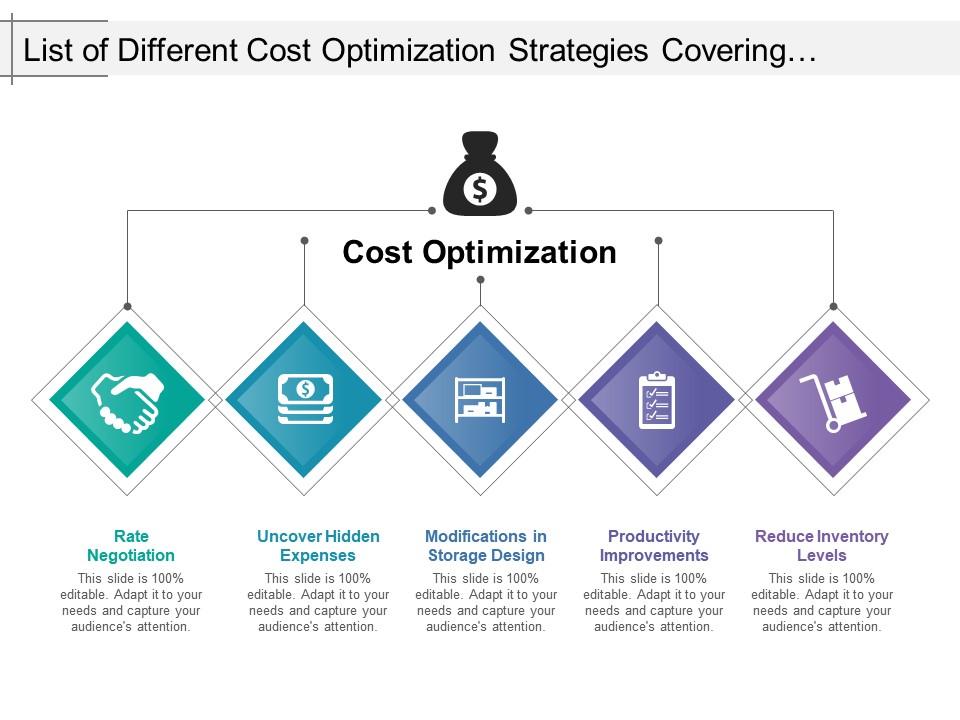
A retail business may renegotiate provider terms to acquire a 10% reduction in item expenses, improving its margin. Services can make lots of small daily adjustments to help lower costs.
Stock Optimization: Reduce stock levels, improve stock turnover, and buy demand forecasting tools. This would enable the company to lower storage costs and reduce overstocking problems. For instance, using up a hybrid work model might equate into saving space required for a business in an office space. The cost savings on rent, energies, and workplace supplies will conserve a lot.
Lessening Waste: Proper inventory management, avoiding scrap materials, and improving running procedures reduce waste in both production and services. Outsourcing Non-Core Activities: Payroll, marketing, and IT can be contracted out to 3rd parties so that the service can focus on its core proficiencies and avoid overhead costs. Enhancing Resource Allotment: Improve Resource Utilization and Better disperse resources.
Preparing for Your Business Loan Requirements in 2026
For example, in payroll processing outsourcing, the business eventually saves time and money but guarantees its payroll meets the state's laws or requirements. Technologies are the important enablers of expense optimization and cost efficiency, and by utilizing the best technology, companies can simplify operations, decrease long-lasting expenses, and reduce waste.
It, in turn, provides scalable, flexible options that are versatile to the vibrant company needs. Automation Tools: Automation tools feature other considerable benefits. They automate tasks such as managing stocks, scheduling, billing, and client support. This translates to saving administrative labor and efficiently exploiting resources. Data Analytics: Applied service intelligence and data analytics tools assist monitor companies' expenses, tracking inadequacies and areas where potential cost savings are most likely.

Some actions through which such a plan can be produced include: Examine Present Operations: Identify inefficiencies and locations where potential cost savings could be accomplished in all components of company. Produce a Phased Strategy: Draw up a phased plan for cost optimization, beginning from where the most substantial effect will be and continuously improving over time.
For circumstances, a company might begin saving money on energies through energy conservation and then continue to automation in the important functional sections. Cost optimization is not a one-time repair; it is an ever-implemented strategy in service to compete and remain lucrative in a fast-moving, altering market. Business will reap solid and sustainable development with time, making them rewarding.

Prime Source Expenditure Experts specializes in personalized expense optimization services, focusing on providing results through minimizing costs for businesses while keeping efficiency at its optimal capacity. Contact us today to discover how we can assist you support your cost-reduction technique and drive sustainable development for your service. Contact our today and set the stage for the successful future of your company.
Effective Cost Reduction Strategies for Financial Sustainability
While general cost-cutting would cut costs, it may not question specifically the person's effectiveness or quality or cut costs in general. At a possible cost to the company in the long run, functional expense optimization increases the efficiency of operations without quality compromise. Cost-cutting would hurt operations only when it is not collaborated properly, that is, if it eliminates quality or the employees' morale.
Some examples are the renegotiation of supplier agreements, the automation of company procedures, the optimization of stock management, and energy consumption through sustainable methods. Michael is an accomplished leader with deep know-how in the health care sector. As the CEO of Prime Source, he has actually driven innovation and tactical growth in healthcare procurement and management.
Michael is enthusiastic about exploring the crossway of organization and health care, providing thought leadership that shapes the future of the field.

Latest Posts
How to Optimize Store Inventory Systems
Key Finance Tips for SME Stores
Linking Staff Productivity to Financial Success