Optimising Store Inventory to Minimise Costs thumbnail

Optimising Store Inventory to Minimise Costs

Published en
5 min read


It comes about without unduly hindering the end usage or quality of the item or service. All decreases that are an outcome of a temporary fall in raw product costs or remain in response to a change in government policy do not fall under the ambit of expense decrease. Thus, cost decrease includes the following: A fall in expenditure with the same production volume.

ShopifyShopify


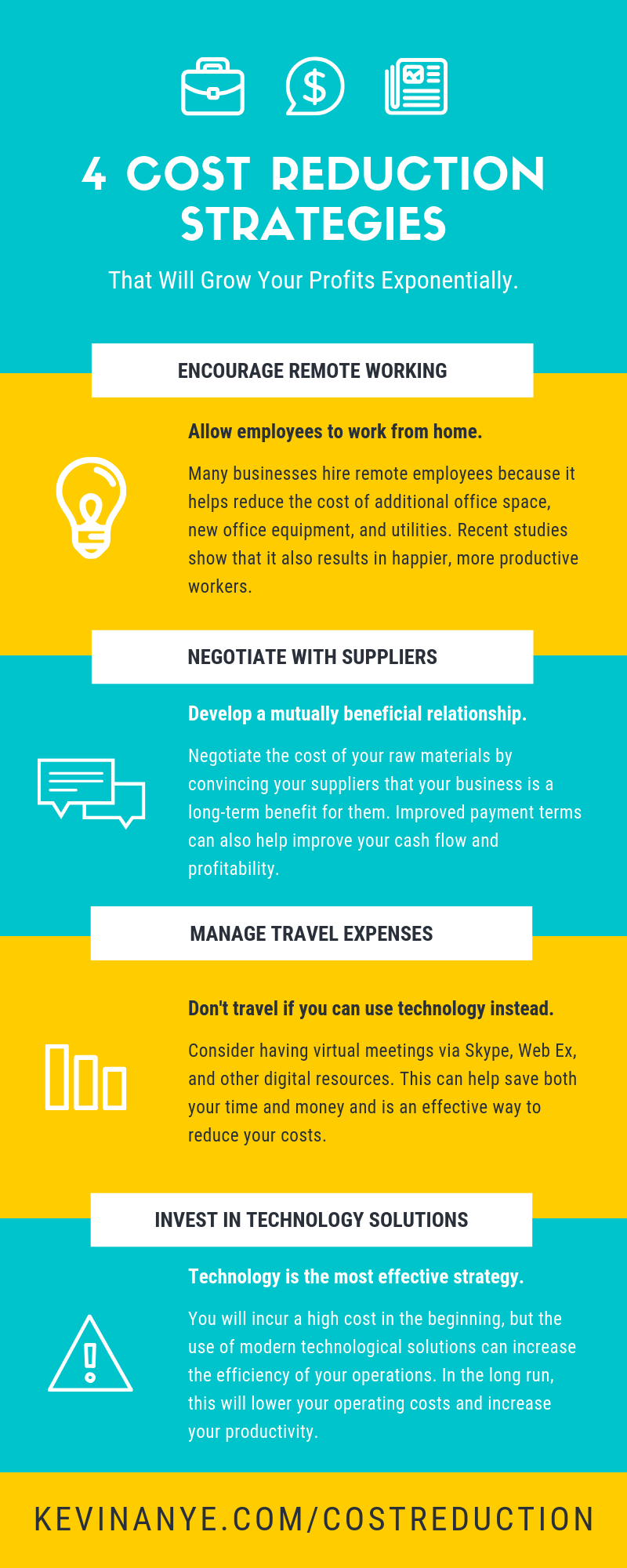
Some common expense reduction examples are: Reducing labour costs by automating regular tasks or by outsourcing non-core organization functions. Bringing down office expenses, such as electricity bills, by selecting energy-saving innovations or scaling down on office by using remote working choices. Negotiating much better terms with suppliers to source product at lower expenses or be provided greater trade discounts.

It commonly involves the steps described listed below. Determine the scope for expense decrease: An expense decrease process begins by evaluating the existing cost structure of your firm. These expenses are then compared against pre-established standards or market requirements to identify areas for expense reduction. When it comes to numerous opportunities, it is best to undertake a spending analysis and prioritise those yielding the greatest benefit.

The goal is to decide on the most ideal cost decrease strategies and their possible impact. Some initial testing of these methods may likewise be performed at this phase. Strategy for implementation: After developing an expense decrease program, it's time to bring all organization executives, key management workers, specialists, and staff members on board to develop the strategy of action.

Put the programme into action: Finally, deploy the expense reduction programme by establishing a governance structure and control due dates. Continually keep an eye on the development and optimise the methods even more based upon the results. A typical expense decrease structure includes the identification of inefficient costs and the application of expense reduction methods and methods.

Optimising Inventory to Reduce Retail Costs

  1. Material cost: Whether a change in style can decrease expenses by enabling the substitution of a more affordable basic material or making use of a lower product quantity. Economic Order Amount (EOQ) is a beneficial cost decrease strategy at this phase. 2) Labour cost: A design change might reduce operational time or time dedicated to after-sale services, minimising labour expenses.

Administrative costs: A cost reduction analysis can be brought out to figure out if the company is sustaining any unnecessary routine costs. Some costs worth evaluating are telephone expenses, travel expenses, workplace stationery, and postage charges. Management expenses: Some SMEs may be needlessly incurring costs due to poor interaction. Framing a proper delegation and accountability framework with well-defined obligations can go a long way in reducing firm costs.

ShopifyShopify


Companies can cause expense reduction in myriad methods. A few of the popular expense reduction techniques includeBudgetary control: Business can compare their real costs incurred against the budgeted numbers and take remedial actions in case of disparities and unnecessary costs, achieving better expense effectiveness. Simplification: The role of efficiency and cost decrease comes into play when firms reduce the variety of their product offerings and scale the staying items.

Smart Staff Scheduling Tactics for Peak Productivity

Requirement costing: In this expense reduction technique, business bring out a variation analysis to draw out the differences in between basic approximated costs and actual costs. They can track the locations showing high-cost variances and the possible reasons for them. Value analysis: Likewise called worth engineering, a value analysis involves an organized review of product design and production processes with an emphasis on decreasing total production expenses without compromising product quality or functionality.

This list is by no means exhaustive. Methods like contribution analysis, task evaluation, material control, marketing research, financing control, cost-benefit analysis, and labour and overhead control can likewise be made use of for cost reduction. Cost decrease is the procedure of determining and removing excessive expenditures that reduce a company's production efficiency and profitability.

Preparing Your 2026 Forecast With Data Tools

In times of financial unpredictability, many leaders turn to an old standby: cost cutting. When a lot on the planet feels beyond our control, costs are, to a large level, controllable. However cutting expenses with the singular objective of realizing short-term cost savings is myopic. Whether they're faced with an urgent requirement or not, leaders must view each expense line as a valuable investment in the businessand acknowledge how the decision to increase, reduce, or maintain it will shape the company's future.

Preparing Your 2026 Forecast With Data Tools

How to Master Small Business Accounting

Firms can bring about cost decrease in myriad methods. A few of the popular expense reduction techniques includeBudgetary control: Companies can compare their actual expenses incurred versus the allocated numbers and take remedial actions in case of inconsistencies and unneeded expenses, achieving better expense effectiveness. Simplification: The function of effectiveness and expense reduction comes into play when companies reduce the variety of their product offerings and scale the remaining products.

Requirement costing: In this expense reduction strategy, business perform a difference analysis to draw out the differences in between standard approximated expenses and real costs. Subsequently, they can track the locations displaying high-cost variations and the possible reasons for them. Value analysis: Likewise called value engineering, a worth analysis involves a methodical review of product style and production processes with an emphasis on lowering overall production expenses without jeopardizing item quality or performance.

This list is by no ways extensive. Strategies like contribution analysis, job evaluation, product control, market research study, finance control, cost-benefit analysis, and labour and overhead control can likewise be made use of for cost reduction. Cost reduction is the procedure of determining and eliminating excessive expenditures that decrease a business's production performance and profitability.

In times of economic uncertainty, many leaders turn to an old standby: cost cutting. When so much in the world feels beyond our control, costs are, to a big extent, manageable.

Latest Posts

Key Finance Hacks for Small Stores

Published Jun 13, 26
6 min read